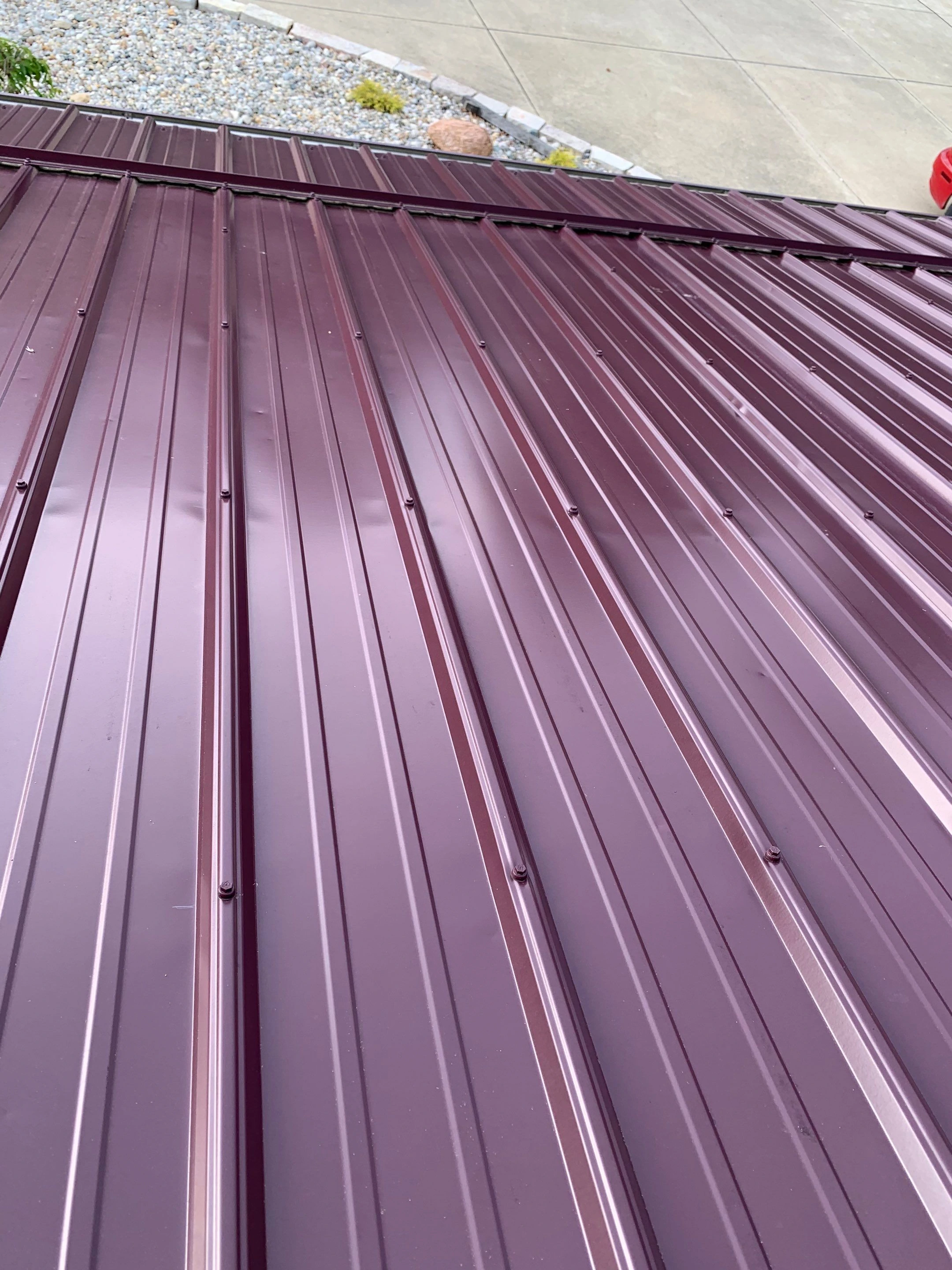
Metal Does Not Attract Lightning
The central fact is that metal roofs do not attract lightning, and a Milford homeowner benefits from understanding why. Here is the explanation.
What Determines Lightning Strikes
Lightning is determined by factors like a structure's height, its location, and the surrounding terrain, since lightning tends to strike taller objects and is influenced by geography. These factors govern where lightning strikes. They determine the risk. They are about height and location. They drive the pattern. The roofing material is not among them.
Roofing Material Is Not a Factor
The roofing material does not determine whether a home is struck, since lightning is governed by the factors above rather than what a roof is made of. So a metal roof does not increase the likelihood of a strike. The material plays no role in attraction. It does not draw lightning. It is not a factor. It does not increase the risk.
No More Likely to Be Struck
A home with a metal roof is no more likely to be struck by lightning than the same home with another roofing material, since the roof type does not affect the odds. The risk is the same regardless of roof. Metal does not raise it. The odds are unchanged. The material is neutral. It makes no difference to the likelihood.
The Clear Conclusion
The clear conclusion is that metal roofs do not attract lightning, a fact supported by the roofing industry and experts, which puts the common myth to rest. The conclusion is well established. It corrects the myth. It is clear and reassuring. It settles the question. It is the fact.
Does Not Attract, in Short
Lightning is determined by factors like a structure's height, location, and surrounding terrain, not by roofing material, so a metal roof does not increase the likelihood of a strike, and a home with metal is no more likely to be struck than with another roofing material.
One point worth making clear for Milford homeowners is that one of the most persistent myths about metal roofing is the idea that a metal roof attracts lightning, and the reassuring truth, supported by the roofing industry and by experts, is that it simply does not. The myth is understandable in its origin, because there is an intuitive association in many people's minds between metal and electricity, since metal conducts electricity, so it can seem logical to assume that a metal roof would somehow draw lightning toward a home. But this intuition is mistaken, because of how lightning actually works. Lightning is determined by factors like a structure's height, its location, and the surrounding terrain, lightning tends to strike taller objects and is influenced by geography, and the material a roof is made of is simply not among the factors that determine whether a home is struck. This means that a home with a metal roof is no more likely to be struck by lightning than the very same home with asphalt shingles or any other roofing material, because the roof type does not affect the odds at all. So the first and most important fact for a homeowner to understand is that choosing metal does not increase the risk of a lightning strike in any way. This is worth knowing because the myth, if left uncorrected, might weigh unnecessarily on a homeowner's decision, leading them to hesitate over a concern that has no basis in fact. Once the facts are understood, the worry simply dissolves, and a homeowner can weigh metal roofing on its genuine merits without this particular fear factoring into the decision at all.
One point worth making clear for Milford homeowners is that one of the most persistent myths about metal roofing is the idea that a metal roof attracts lightning, and the reassuring truth, supported by the roofing industry and by experts, is that it simply does not. The myth is understandable in its origin, because there is an intuitive association in many people's minds between metal and electricity, since metal conducts electricity, so it can seem logical to assume that a metal roof would somehow draw lightning toward a home. But this intuition is mistaken, because of how lightning actually works. Lightning is determined by factors like a structure's height, its location, and the surrounding terrain, lightning tends to strike taller objects and is influenced by geography, and the material a roof is made of is simply not among the factors that determine whether a home is struck. This means that a home with a metal roof is no more likely to be struck by lightning than the very same home with asphalt shingles or any other roofing material, because the roof type does not affect the odds at all. So the first and most important fact for a homeowner to understand is that choosing metal does not increase the risk of a lightning strike in any way. This is worth knowing because the myth, if left uncorrected, might weigh unnecessarily on a homeowner's decision, leading them to hesitate over a concern that has no basis in fact. Once the facts are understood, the worry simply dissolves, and a homeowner can weigh metal roofing on its genuine merits without this particular fear factoring into the decision at all.
It also helps Milford homeowners to know that not only does a metal roof not attract lightning, but if a strike were to occur, a metal roof can actually be the safer roofing material, which turns the common myth almost entirely on its head. There are two reasons for this. The first and most significant is that metal is non combustible, which simply means it does not catch fire. If lightning strikes a home, one of the real dangers is fire, and a roofing material that can catch fire and be set alight poses a greater fire risk in that situation. A metal roof, being non combustible, is unlikely to ignite, so the fire risk from a lightning strike is lower with metal than with a combustible roofing material. Given that lightning caused fires are a genuine danger, this is a meaningful safety advantage. The second reason is that metal can help dissipate the energy of a strike, spreading it across the surface of the roof rather than allowing it to concentrate in one spot, which can help reduce the impact. Taken together, metal's non combustibility and its ability to dissipate energy mean that, in the event of a strike, a metal roof can be a safer choice than a combustible one. It is also worth noting that metal roofing is widely used on homes and buildings everywhere, including in areas that experience a lot of lightning, which reflects the fact that it is considered a safe, sound roofing choice by the industry and by the many people who install it. So the bottom line for a homeowner is genuinely reassuring, the lightning myth is mistaken, metal does not increase the risk of a strike, and metal can actually offer safety advantages if a strike occurs, all of which means a homeowner can choose metal with real peace of mind on this point.
Choose Metal Without Worry
Milford Metal Roofing installs metal roofing across Milford and Kosciusko County, a roof that does not attract lightning. Call (765) 676-3491 for a free consultation on a metal roof for your home, free of that common worry.