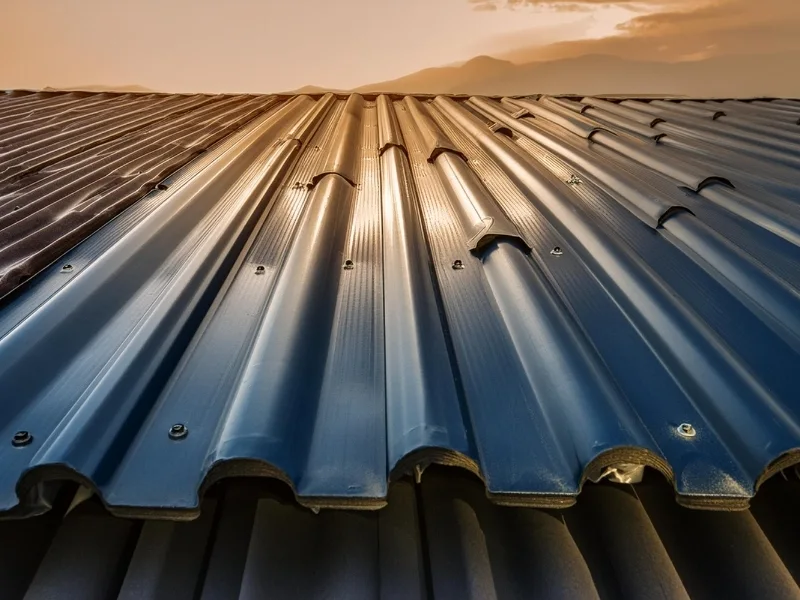
The Metal Roof Noise Myth
The idea that metal roofs are noisy is one of the most common reasons Milford homeowners hesitate, so it is worth addressing directly. Here is the truth.
The Myth
The myth holds that a metal roof will be loud, especially in the rain, drumming and amplifying the sound inside the house to an unpleasant degree. This image, of rain hammering on metal like a tin can, is what makes many homeowners dismiss metal roofing without further thought. It is a widespread belief, but it does not reflect how metal roofs perform on a finished home.
The Reality
In reality, a properly installed metal roof on a home is not meaningfully louder than other common roofing. Installed over solid decking with underlayment, and with the attic space and insulation beneath, rain on a metal roof sounds about like rain on an asphalt or other roof, a soft patter rather than a drum. The drumming reputation simply does not apply to a metal roof installed correctly on a house.
Where the Myth Comes From
The myth comes from a real source, the sound of rain on bare metal over open framing, like a barn, shed, or carport, where there is nothing beneath the panels to dampen the sound. That is genuinely loud, but it is a completely different situation from a metal roof on a finished home with decking, underlayment, and insulation. People hear barn rain and assume a house would be the same. It is not.
Why It Matters
This myth matters because it keeps many homeowners from an otherwise excellent roofing choice over a concern that does not hold up. Metal's durability, longevity, weather resistance, and energy efficiency are real benefits, and the noise worry that deters people is largely unfounded for a properly installed roof. Setting the record straight lets homeowners consider metal on its actual merits. The myth costs people a good option.
The Noise Myth, in Short
The myth that metal roofs are loud, especially in rain, comes from bare metal over open framing like a barn, not a finished home. A properly installed metal roof over decking, underlayment, and insulation is not meaningfully louder than other roofing.
One point worth making clear for Milford homeowners is just how much the noise myth costs people, because it is probably the single most common reason a homeowner dismisses metal roofing out of hand, and it is based on a genuine misunderstanding. The mental image is vivid and unpleasant, rain hammering on a metal roof like a drum, turning every storm into a racket inside the house, and it is enough to make many people stop considering metal before they ever learn about its real advantages. But the image comes from a specific and misleading source, the sound of rain on bare metal panels installed directly over open framing with nothing beneath them, the way metal is often put on barns, sheds, pole buildings, and carports. In those structures there is no solid decking, no underlayment, and no insulated attic to absorb and dampen the sound, so the rain genuinely does resonate loudly. The trouble is that this is nothing like how metal is installed on a finished home. On a house, the metal goes over solid decking, typically plywood sheathing, with underlayment between the decking and the panels, and beneath all of that sits the attic space and insulation. Each of these layers dampens sound, and together they bring the noise down to roughly the level of any other roof, a soft patter in the rain rather than a drum. So the homeowner who rules out metal over noise is comparing a bare barn roof to their insulated home, which is simply the wrong comparison, and in doing so they pass up a roof with genuine, substantial benefits over a worry that does not actually apply to their situation.
One point worth making clear for Milford homeowners is just how much the noise myth costs people, because it is probably the single most common reason a homeowner dismisses metal roofing out of hand, and it is based on a genuine misunderstanding. The mental image is vivid and unpleasant, rain hammering on a metal roof like a drum, turning every storm into a racket inside the house, and it is enough to make many people stop considering metal before they ever learn about its real advantages. But the image comes from a specific and misleading source, the sound of rain on bare metal panels installed directly over open framing with nothing beneath them, the way metal is often put on barns, sheds, pole buildings, and carports. In those structures there is no solid decking, no underlayment, and no insulated attic to absorb and dampen the sound, so the rain genuinely does resonate loudly. The trouble is that this is nothing like how metal is installed on a finished home. On a house, the metal goes over solid decking, typically plywood sheathing, with underlayment between the decking and the panels, and beneath all of that sits the attic space and insulation. Each of these layers dampens sound, and together they bring the noise down to roughly the level of any other roof, a soft patter in the rain rather than a drum. So the homeowner who rules out metal over noise is comparing a bare barn roof to their insulated home, which is simply the wrong comparison, and in doing so they pass up a roof with genuine, substantial benefits over a worry that does not actually apply to their situation.
One point worth making clear for Milford homeowners is just how much the noise myth costs people, because it is probably the single most common reason a homeowner dismisses metal roofing out of hand, and it is based on a genuine misunderstanding. The mental image is vivid and unpleasant, rain hammering on a metal roof like a drum, turning every storm into a racket inside the house, and it is enough to make many people stop considering metal before they ever learn about its real advantages. But the image comes from a specific and misleading source, the sound of rain on bare metal panels installed directly over open framing with nothing beneath them, the way metal is often put on barns, sheds, pole buildings, and carports. In those structures there is no solid decking, no underlayment, and no insulated attic to absorb and dampen the sound, so the rain genuinely does resonate loudly. The trouble is that this is nothing like how metal is installed on a finished home. On a house, the metal goes over solid decking, typically plywood sheathing, with underlayment between the decking and the panels, and beneath all of that sits the attic space and insulation. Each of these layers dampens sound, and together they bring the noise down to roughly the level of any other roof, a soft patter in the rain rather than a drum. So the homeowner who rules out metal over noise is comparing a bare barn roof to their insulated home, which is simply the wrong comparison, and in doing so they pass up a roof with genuine, substantial benefits over a worry that does not actually apply to their situation.
Hear the Truth for Yourself
Milford Metal Roofing installs quiet, properly built metal roofing across Milford and Kosciusko County and will explain how it stays quiet. Call (765) 676-3491 for a free consultation, and we will put the noise myth to rest and show you metal's real benefits for your home.